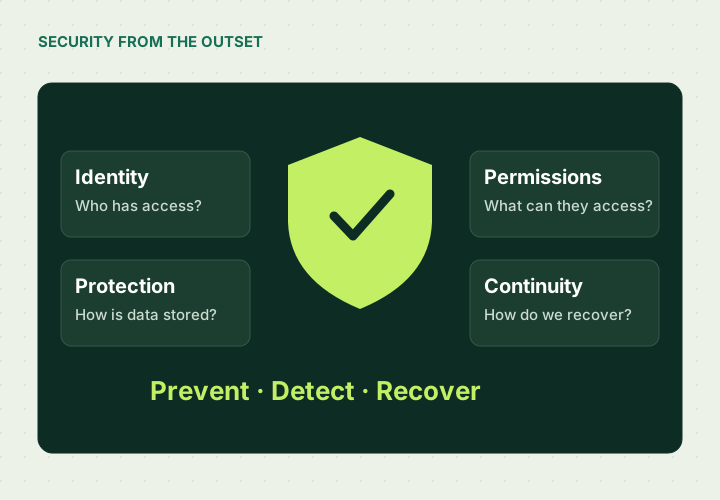
Adding security at the end of a project is expensive and rarely solves the whole problem. When security is part of the architecture, risks are addressed at their source and teams gain speed rather than bureaucracy.
Start with what matters
Not all data and operations require the same protection. The first step is to identify critical assets, who can access them and the impact of a breach of confidentiality, integrity or availability.
The best security measure reduces risk without making the system impossible to use or maintain.
Principles that guide design
- Least privilege: each identity receives only the access it needs.
- Defence in depth: no layer is treated as infallible.
- Secure configuration: the default behaviour should be the most restrictive.
- Observability: relevant events are visible and actionable.
- Attack surface reduction: unnecessary components and data should not exist.
From code to operations
During delivery, dependency analysis, code reviews, secrets management and automated testing create consistent safeguards. In production, monitoring, tested backups and a response plan turn prevention into resilience.
An ongoing process
Threats, teams and platforms change. That is why security by design does not end at launch: decisions should be recorded, controls measured and risks reviewed with every significant change.